Hounslow Council parking rules for Chiswick removals explained
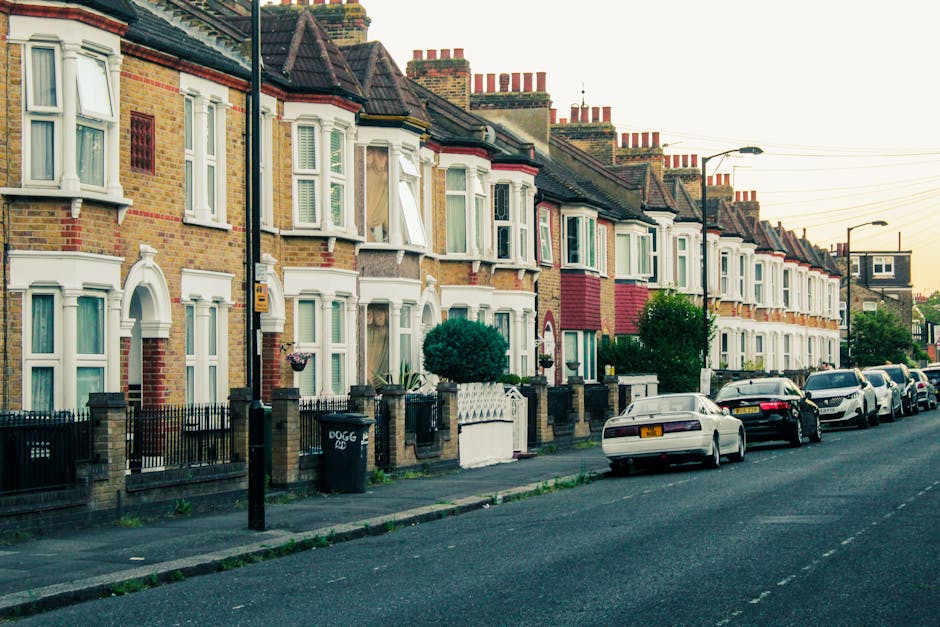
If you are moving in or out of Chiswick, parking can become the part of the day that quietly causes the most stress. The van arrives, boxes are ready, everyone is carrying something heavy, and then-of course-there is nowhere safe or legal to stop. This guide on Hounslow Council parking rules for Chiswick removals explained breaks it all down in plain English, so you can plan loading, unloading, permits, bay restrictions, and timing without last-minute panic.
Truth be told, most moving-day problems are not about the lifting itself. They come from a missed bay restriction, a suspended parking space, or a driver who assumed stopping "just for five minutes" would be fine. It rarely is. Below, you will find a practical walkthrough of how local parking rules typically affect removals in Chiswick, what to check before the van turns up, and how to reduce the chance of delays, fines, or a very awkward conversation with a neighbour.
Why Hounslow Council parking rules for Chiswick removals explained Matters
Parking is one of those things people underestimate until the day itself. In Chiswick, streets can be narrow, bays can be busy, and residents are often sharing space with commuters, visitors, deliveries, and tradespeople. That means a removal van cannot simply pull up wherever it likes and hope for the best.
Hounslow Council parking rules matter because removals are different from everyday parking. You are not just leaving a vehicle; you are often loading bulky items, keeping a space for a limited time, and needing the van positioned as close as possible to the front door. That is especially true for flats, terraced houses, and shared access roads where every extra step adds time and risk.
When parking is planned properly, the move feels calmer. The team can work efficiently, neighbours are less likely to complain, and you reduce the chance of a penalty notice or a relocation halfway down the street. To be fair, that last part is not a small thing. Nobody wants to carry a washing machine twice.
Expert summary: Good parking planning is not a nice extra on moving day; it is part of the job. For Chiswick removals, a little preparation around bay restrictions, access, and timing often saves far more time than people expect.
It also matters for safety. A van parked badly can block traffic, force movers to carry items across live road space, or create avoidable trip hazards. For larger house moves, office relocations, or awkward furniture removals, the parking setup can be the difference between a smooth load and a messy, exhausting day.
If you are arranging a move with professional help, it is worth checking how the team handles parking and access as part of the wider job. Services such as man and van support, home moves, or house removals only work well when the vehicle can actually stop where it needs to.
How Hounslow Council parking rules for Chiswick removals explained Works
The basic idea is simple: parking in Chiswick is controlled by local restrictions, and those restrictions can affect where and when a removal van may stop. The exact details depend on the street, the time of day, the type of bay, and whether any suspension or permit requirement applies.
In practical terms, a removals crew usually needs to think about four things:
- Can the van stop legally? Not every stretch of kerb is fair game, even if it looks empty.
- Can it stop close enough? A legal space half a street away may still be unhelpful for heavy furniture.
- Is the stop temporary or restricted? Loading may be treated differently from normal parking, but that does not create a free pass.
- Will the vehicle block access? Driveways, junctions, crossings, and narrow turns matter more than people think.
One useful way to think about it is this: removals parking is part logistics, part compliance. A street that looks fine at 9am might be a mess at 3pm. A bay that is open on one weekday may be suspended on another. And if you are moving near a school run, a parade of parked cars can make everything slower. You will notice the difference very quickly.
For a smaller move, a compact vehicle may be easier to place than a larger lorry. That is why many people choose a removal van or a man with van option when access is tight. For bulkier jobs, a moving truck or wider vehicle may still be right, but only if the access route and stopping point make sense.
Also, do not forget loading and unloading. Some streets allow short stopping only in designated ways, while others are more heavily controlled. If you are moving into a flat, the practical issue is often not just parking but how long the van can stay in a sensible position while lifts, stairwells, and door codes all do their thing.
Key Benefits and Practical Advantages
Getting the parking side right gives you more than just peace of mind. It improves the whole move from start to finish.
- Faster loading and unloading: The closer the van is to the entrance, the fewer steps your team carries heavy items.
- Lower risk of fines or disputes: No one enjoys a ticket on move day, especially not when everything else is already expensive.
- Better protection for fragile items: Fewer hand-offs and shorter carry distances mean less chance of bumps.
- Less stress for neighbours and building managers: A well-handled move is usually noticed for the right reasons.
- Safer handling overall: Movers can work with better control when they are not hurrying across a long stretch of pavement.
There is another benefit that people often overlook: parking planning helps the moving day feel organised. Once the vehicle position is sorted, everything else tends to settle. Boxes move in a rhythm, the team knows where to place items, and you spend less time standing in the hallway wondering what is happening outside.
That matters for all sorts of moves, from flat removals in busy streets to office removals where access windows are tight and the building management has its own rules.
If your move includes furniture that needs careful handling, parking close to the entrance helps more than people expect. Heavy wardrobes, awkward sofas, and antiques all become more manageable when the vehicle is positioned well. The same goes for specialist jobs like piano removals or furniture removals.
Who This Is For and When It Makes Sense
This guide is for anyone moving in Chiswick or nearby parts of Hounslow where street parking is controlled, limited, or closely monitored. If that sounds obvious, it is-but people still leave this too late.
You will benefit most from thinking ahead if you are:
- moving from a house on a residential street with permit bays
- moving into or out of a flat with shared access
- arranging a same-day move with limited margin for delays
- using a larger van or truck and need extra kerb space
- moving a commercial office with strict building access times
- handling student accommodation where parking space is often awkward or short-term only
It also makes sense if you are storing items temporarily and need repeated vehicle access. A move may not be completed in one neat load. You might need to shuttle items to storage or split the job over more than one run. In those situations, parking becomes even more important because the vehicle may return later in the day.
For family homes, the issue is often driveway access and keeping the street clear. For smaller properties, it is usually about whether the van can get near the entrance without creating a fuss. And for businesses, it can be about timing a loading bay or arranging a commercial stop that keeps the operation moving. If that is your situation, commercial moves need especially careful planning.
Let's face it: the move itself is already a lot. Parking rules are not the exciting bit, but they are the bit that can ruin the day if ignored.
Step-by-Step Guidance
Here is a practical way to handle parking for a Chiswick removal without overcomplicating it.
-
Check the street before the move.
Look at the road outside both addresses. Notice bay markings, permit signs, yellow lines, suspended spaces, dropped kerbs, bus stops, and any obvious pinch points. If you are doing this in the late afternoon, remember the street can look very different during daytime traffic.
-
Decide what kind of vehicle access you actually need.
A small van may be easier in a tight street, while a larger truck may be better for a bulky load if there is enough room. This is where matching vehicle size to the property matters. A team offering removal services can usually advise on the right setup.
-
Build in loading time.
Do not assume you can stop, load, and be gone in ten minutes. Even a tidy move can take longer than expected, especially with stairs, awkward corners, or wet weather. A damp hallway and a heavy sofa are not a fun combination, honestly.
-
Plan for peak restrictions and busy periods.
Morning school runs, commuter traffic, and collection days can all affect how easy it is to stop. If your move is flexible, choose a time that gives the team space to work without constant interruptions.
-
Confirm any building rules.
Some flats, blocks, and managed estates have their own loading instructions. They may require advance notice, a call to reception, or a specific parking location. This is common in house removals too, where the driveway or shared access must stay usable.
-
Prepare your items before the vehicle arrives.
If boxes are already labelled, furniture is dismantled where needed, and loose items are gathered near the exit, the van can load quickly once it is parked. That reduces the amount of time you need to keep a space clear.
-
Have a backup plan.
If the nearest bay is unavailable, decide in advance where the next best stop would be. A calm Plan B is far better than a frazzled one on the pavement.
If you want the move itself to feel less chaotic, pairing parking planning with packing help can make a real difference. Services like packing and boxes or packing and unpacking services can take a lot of pressure off the day.
Expert Tips for Better Results
After enough moves, you start to notice the same patterns. The people who plan parking early usually have quieter, quicker move days.
First tip: treat the van space like a working area, not just a place to stop. If the van is parked too far from the entrance, every item takes longer. That extra time builds up fast. A few extra metres may not sound like much, but after the fifth chair, the third box of books, and the one wobbly lamp you are trying to keep upright, it becomes very real.
Second tip: use clear communication. Tell the mover where the nearest legal stop is, where access is easiest, and whether a neighbour, concierge, or building manager may need to be involved. Clear information avoids awkward delays at the kerb.
Third tip: think about weather. A wet Chiswick morning can make pavements slippery and awkward to carry along. If the route from van to front door is longer than expected, coverings and sensible footwear suddenly matter a lot. Not glamorous, but useful.
Fourth tip: ask about vehicle fit, not just vehicle size. A slightly smaller van that can park correctly may be better than a bigger vehicle that creates access problems. In real life, the best option is often the one that makes the move flow, not the one that sounds largest.
Fifth tip: keep essentials separate. If you have tea, documents, chargers, and keys with you, you are less likely to have to keep rummaging through sealed boxes while the team waits. Small thing. Big difference.
One last note: if you are moving specialty items, timing and access are even more important. That is true for student removals, which often happen on tight schedules, and for awkward single-piece jobs such as a piano, wardrobe, or oversized desk.
Common Mistakes to Avoid
Here are the most common issues that trip people up.
- Assuming loading is always allowed anywhere. It usually is not. Stopping to load does not automatically make a restricted bay usable.
- Leaving parking planning until moving morning. By then, it is often too late to change the vehicle position or arrange a better stop.
- Forgetting about permit zones. Many Chiswick streets are not designed for casual long-stay parking. That can catch people out.
- Ignoring suspended bays or temporary works. A bay that looked fine last week may now be unusable.
- Booking the wrong size vehicle. Too large can be awkward; too small can mean extra trips. Neither is ideal.
- Not telling the movers about access issues. If there is a low arch, a narrow turning circle, or a restricted approach, say so early.
- Underestimating how long the load will take. Heavy furniture and stairs take time. There is no magic shortcut, sadly.
A lot of these mistakes are simple, but simple mistakes are the ones that cause the most annoyance. One missed sign can mean a whole chain of delay.
If you are especially concerned about larger items or a complicated building layout, choosing a team experienced in removals can make the process much easier. The parking issue is only one part of the job, but it is a very practical one.
Tools, Resources and Recommendations
You do not need a complicated toolkit to manage parking for a move. You need clear information and a few sensible habits.
- Street signs and bay markings: These are the first things to inspect outside the property.
- Your property details: Floor level, access codes, lift availability, and any loading instructions all affect the parking plan.
- Move inventory: Knowing how much you are moving helps you choose the right vehicle and time window.
- Building contact details: If there is a concierge, site manager, or landlord contact, keep them handy.
- Backup parking options: Have one or two alternatives in mind if the nearest legal stop is unavailable.
For more support around the move itself, it can help to look at related services depending on what you are moving. If the job is mostly household items, home moves may be the cleanest fit. If you have been comparing providers, the page on removal companies can help you think about what level of service you actually need.
And if you are trying to keep spending under control, it is worth reviewing pricing and quotes before you finalise the booking. Parking access can affect the time required, so being clear about the street setup from the start usually leads to a more accurate quote.
One small recommendation from experience: if the road outside is tight, take a photo of the parking situation a few days before the move. It sounds almost too simple, but it helps. You can show it to the moving team and avoid a lot of guesswork.
Law, Compliance, Standards, or Best Practice
When people talk about parking rules, they often mix together legal restrictions, council controls, and practical building rules. They are related, but not identical.
In general, the safest approach is to treat street signs, bay markings, and access controls as the governing rules for the day. If a restriction says you cannot wait or park there, do not assume a removal van gets an automatic exception. Some situations may allow loading or unloading, but that depends on the exact location, timing, and local rules. It is better to be cautious than sorry.
Best practice for a removal vehicle includes:
- parking only where stopping is clearly permitted
- avoiding obstruction to residents, pedestrians, or emergency access
- keeping the loading period as short and organised as possible
- checking for temporary suspensions, roadworks, or access restrictions
- making sure the crew understands the site before they arrive
Good operators also think about health and safety. A sensible parking setup supports safer lifting, shorter carries, and less pressure on movers. If you want to understand how a provider approaches this side of the job, pages like health and safety policy and insurance and safety are useful places to check the general standards behind the service.
Compliance is not about being rigid for the sake of it. It is about making sure the move works without unnecessary risk. And in a place like Chiswick, where space is tight and streets are busy, that practical mindset is usually the best one.
Options, Methods, or Comparison Table
Different move setups need different parking strategies. Here is a simple comparison to help you choose the right approach.
| Approach | Best for | Pros | Trade-offs |
|---|---|---|---|
| Small van and short carry | Flat moves, student moves, smaller homes | Easier to place, often more flexible in tight streets | May require more trips if the load is large |
| Larger van or truck with planned stop | Whole-house moves, bulky furniture, business moves | Efficient loading, fewer journeys | Needs more careful access planning and space |
| Split move with storage | Decluttering, staged relocations, temporary delays | More flexibility, less pressure on one day | Requires extra coordination and possibly multiple loading points |
| Same-day moving support | Urgent or last-minute relocations | Fast response when time is limited | Less room for parking surprises; planning must be quick |
The right choice depends on your property, your belongings, and the street outside. If your move is compact, a same day removals service may be helpful when timing is tight. If your move needs more vehicle capacity and careful handling, a removal truck hire arrangement could be more suitable.
There is no single perfect setup. The point is to match the parking plan to the move rather than forcing the move into the parking plan. Small difference, but important.
Case Study or Real-World Example
Here is a realistic example from a typical Chiswick move.
A family moving from a terraced house on a busy residential road wanted to finish in one day. The house had no driveway, and the street was lined with parked cars from early morning. Rather than wait until the van arrived, they checked the road the day before, noted the nearest legal stopping point, and cleared the front hallway in advance.
On the day, the van could not park directly outside the door. Not ideal, but manageable. Because the team already knew the road layout, they stopped a short distance away in a legal space and worked from there. Boxes were already grouped by room, the furniture was dismantled where needed, and the family had kept the essentials separate. No drama, no mystery.
The move still took effort, of course. Moving does. But the lack of parking panic meant the day stayed organised. The team was able to keep moving steadily, and the family avoided the classic mid-move frustration of realising the van would need to be repositioned halfway through.
That is the quiet value of planning parking well: nothing flashy, just fewer problems. And sometimes that is exactly what you want.
Practical Checklist
Use this before moving day. It is simple, but it works.
- Check the parking signs outside both addresses
- Look for permit bays, yellow lines, or suspended spaces
- Confirm whether loading access is realistic near the entrance
- Tell the mover about narrow roads, low arches, or awkward turns
- Choose a vehicle size that fits the street as well as the load
- Keep doors, keys, and access codes ready
- Pack and label boxes before the van arrives
- Set aside essentials you will need straight away
- Ask building managers or neighbours if any access issue is likely
- Have a backup parking option in mind, just in case
If you are still deciding how to structure the move, a service like packing and unpacking services can reduce the pressure on the day, while storage can help if the move needs to happen in stages.
Get a free quote today and see how much you can save.
Conclusion
When you strip away the jargon, Hounslow Council parking rules for Chiswick removals are really about one thing: making sure the van can stop legally, safely, and close enough to the property to do the job properly. That sounds straightforward, but it is exactly where many moves go sideways.
If you plan ahead, check the signs, match the vehicle to the street, and communicate clearly with your movers, the day tends to feel far less rushed. You do not need perfection. You just need enough preparation to avoid the classic last-minute scramble.
And honestly, that small bit of calm at the beginning of the day changes everything. The boxes go faster, the hallways feel less crowded, and you can focus on getting settled rather than worrying about a parking ticket nobody asked for.
Moving is tiring enough already. Good parking planning gives you one less thing to carry, in every sense.
Frequently Asked Questions
Do I need a permit for removals in Chiswick?
It depends on the street and the type of parking restriction in place. Some locations may require a permit, while others may allow short loading or stopping under specific conditions. Always check the signs on the day and plan as early as possible.
Can a removals van stop on double yellow lines?
Not automatically. Loading and unloading may be treated differently in some situations, but that does not make stopping on double yellows universally safe or allowed. The exact street rules matter, so caution is the sensible route.
How far in advance should I check parking for a move?
Ideally, check several days before the move, then look again the day before. Streets change quickly in London, and a space that seems fine on Monday can be unusable by Friday afternoon.
What if there is no space directly outside my home?
That is common in Chiswick. A good plan is to identify the nearest legal stopping point and keep the route from van to door as short and clear as possible. A slightly longer walk is manageable; a badly parked van is not.
Is a small van better for Chiswick streets?
Often, yes, especially where roads are tight or parking is difficult. But the best choice depends on your load. A smaller vehicle may be easier to place, while a larger one may reduce the number of trips. It is a trade-off.
Do loading times matter for council parking rules?
Yes. The longer a van is stationary, the more important it becomes to be sure the stop is legal and appropriate. Keeping the move organised helps reduce the time spent in restricted or sensitive areas.
What should I tell my removals team before the day?
Tell them about the street layout, parking restrictions, building access, floor level, lifts, narrow entrances, and anything else that could affect where the vehicle can stop. Small details save time later.
Can parking problems delay the whole move?
Absolutely. If the van has to keep moving, search for a space, or stop farther away than planned, the whole schedule can shift. That is why parking is such an important part of removals planning.
Are office moves handled differently from home moves?
Usually, yes. Office relocations often involve fixed time slots, building rules, loading bays, and more coordination with management or reception. The parking plan needs to fit that structure, not fight it.
Should I book storage if parking access is tight?
Sometimes it helps, especially if your move needs to be split into stages or if you cannot complete everything in one load. Storage gives you flexibility, which can take pressure off a difficult parking situation.
How do I avoid fines on moving day?
Check signs carefully, avoid making assumptions, and make sure the vehicle is parked only where stopping is clearly appropriate. If in doubt, plan a safer alternative rather than relying on luck. Luck is a poor parking strategy, to be fair.
What type of service is best for a quick local move?
For a small or straightforward move, a man with a van or man and van service can be practical. For larger or more complex jobs, a full removal services option may be better because it gives you more support and structure.